How to Launch a Custom Watch Brand with Low MOQ: A Strategic Guide for Startups
Share
Introduction
Many entrepreneurs entering the watch industry face the same challenge:
They want a unique product, but their budget is limited.
They want a low minimum order quantity (MOQ), but fully customized manufacturing often comes with expensive tooling fees and large production requirements.
As a result, many promising watch projects never make it past the planning stage.
The good news is that building a premium watch brand with a low MOQ is entirely possible.
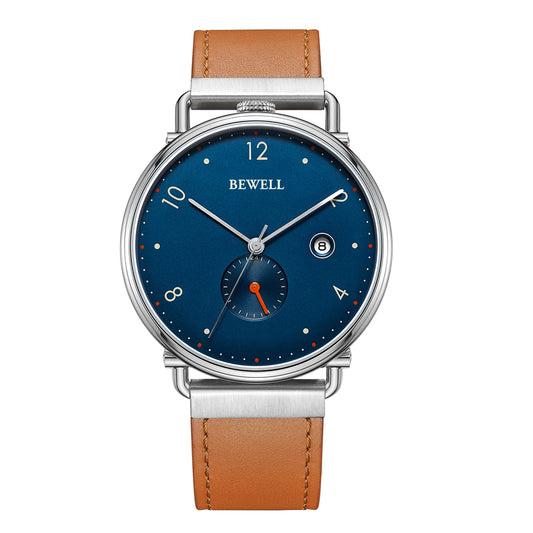
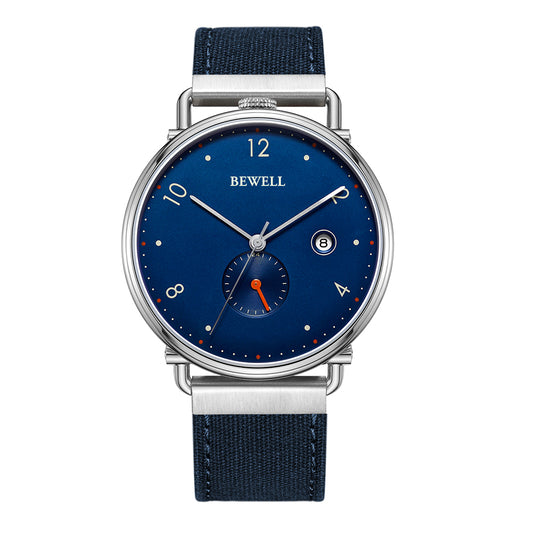
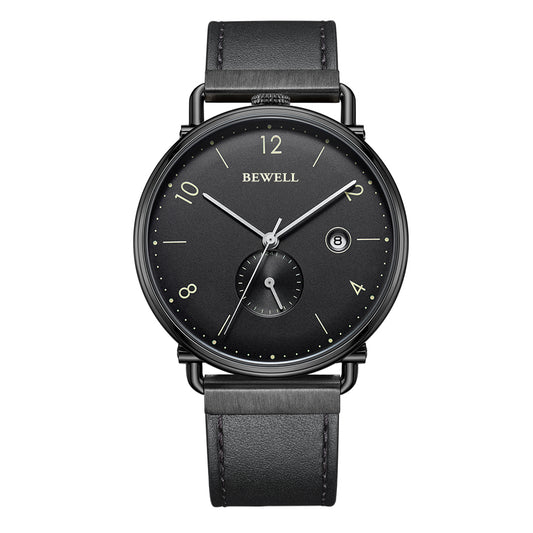
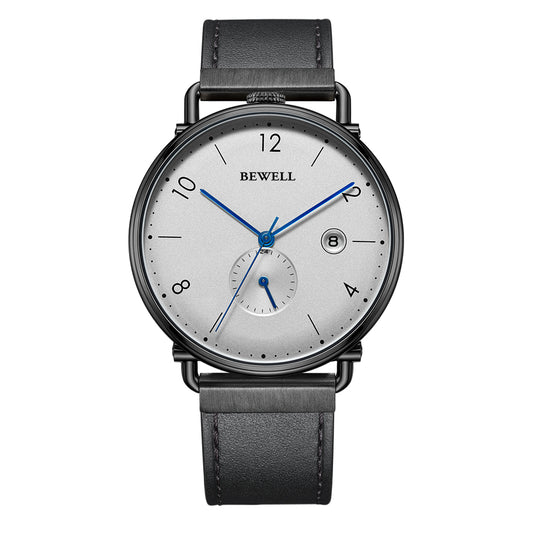
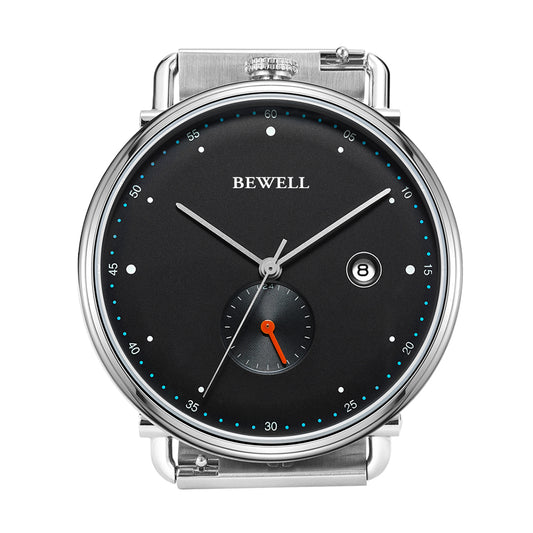
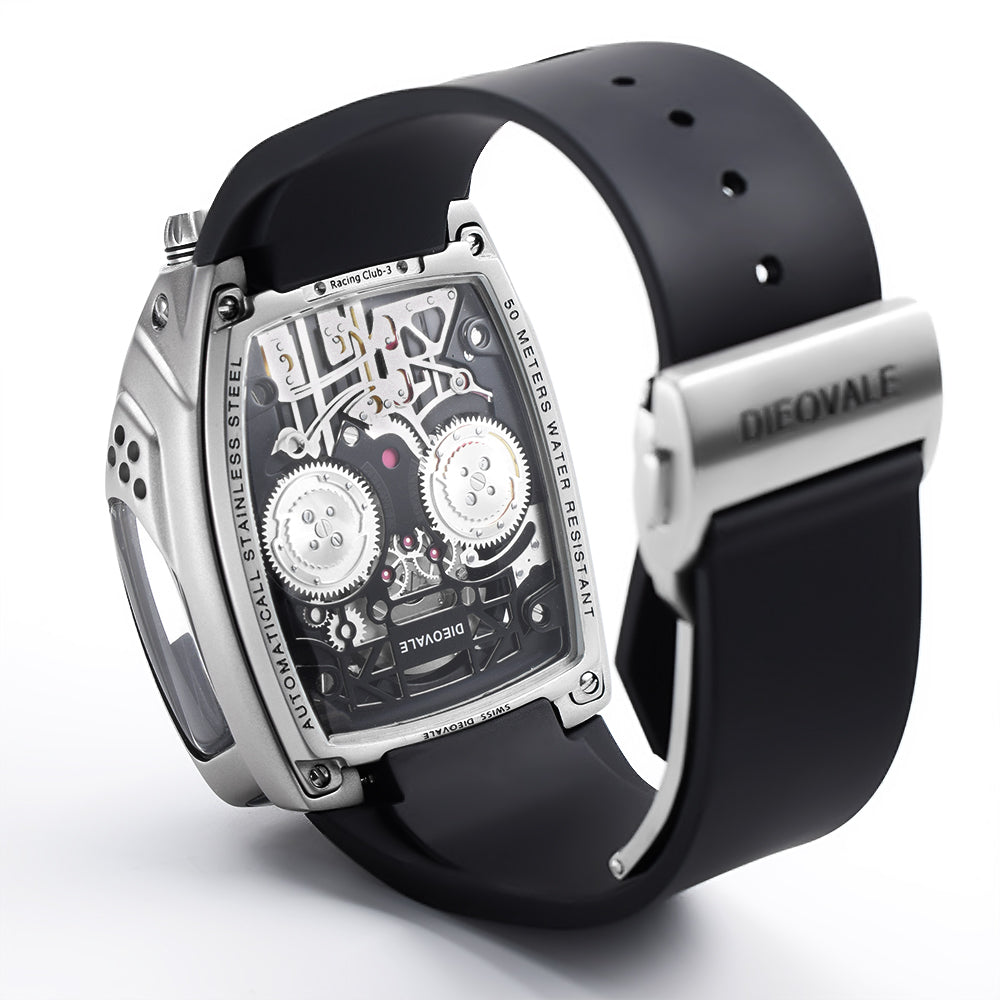
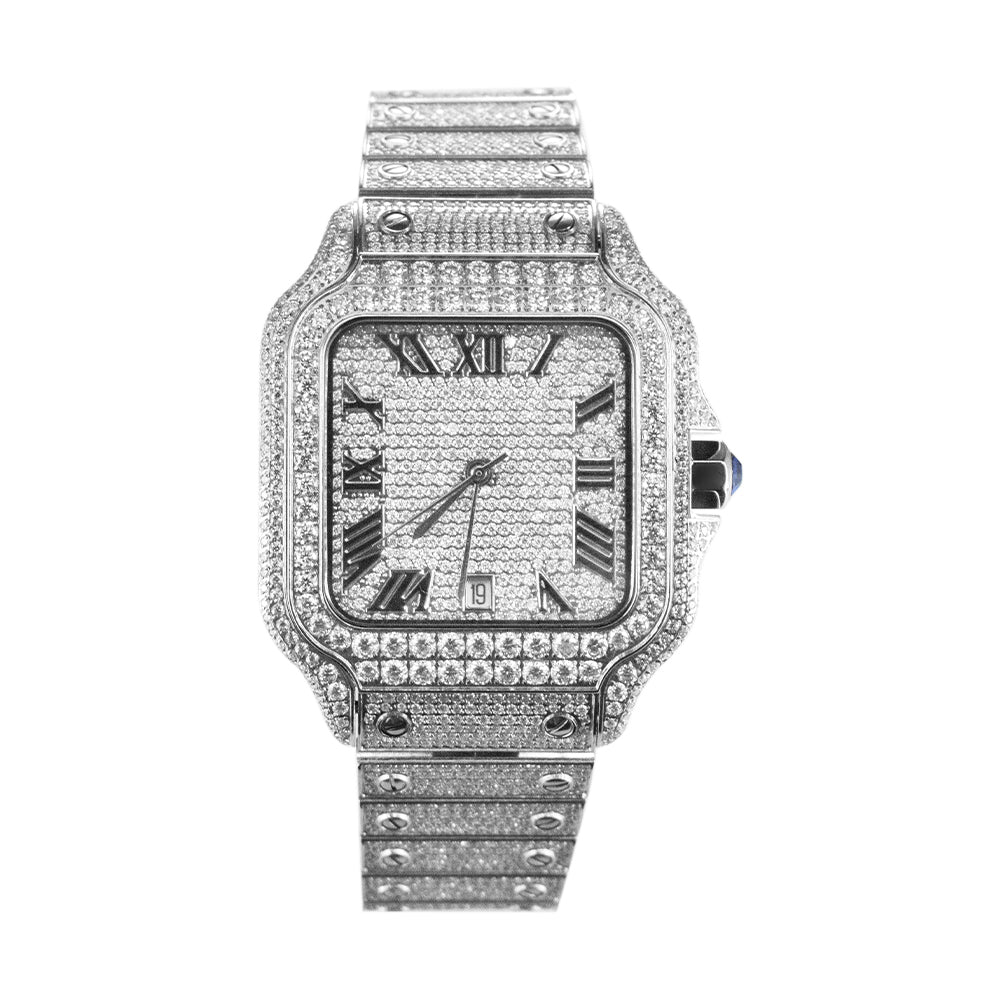
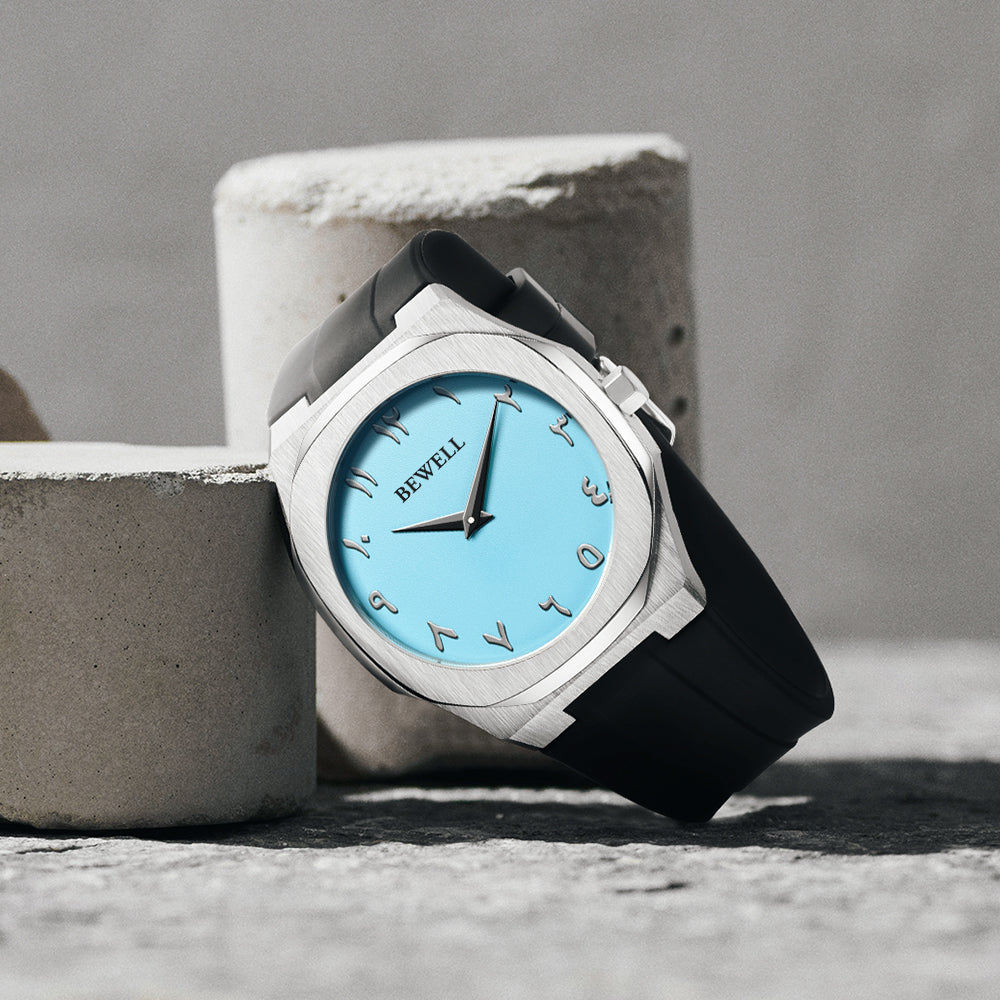
Instead of pursuing complete customization from day one, successful startups often adopt a modular customization strategy. By using proven watch cases from an experienced custom watches manufacturer and customizing the visible elements—such as the dial, hands, strap, and branding details—you can significantly reduce development costs while still creating a watch that feels completely unique to your customers.
This approach allows startups to test the market, preserve cash flow, and establish a strong brand identity without taking on unnecessary inventory risks.
Full Customization vs. Modular Customization: Making the Right Choice
Many startup watch brands fail before they even launch.
The reason is surprisingly simple: they begin with full customization.
They design a completely new watch case, a custom strap, and unique watch hands. Soon they discover that every component requires tooling investment:
- Custom watch case mold: $500–$1,000+
- Custom strap mold: $300–$800+
- Custom hand tooling: additional development costs
Then comes the second challenge: MOQ requirements.
Even after paying for tooling, suppliers may require:
- 500 watch cases
- 1,000 dials
- 5,000 watch hands
For a startup that only wants to test the market with 100–200 watches, these numbers can quickly become overwhelming.
Many founders either abandon the project or move forward with excessive inventory. If sales fail to meet expectations, cash becomes tied up in unsold stock and enthusiasm fades.
Modular customization solves this problem by allowing entrepreneurs to focus their budget on the areas customers actually notice while using proven components for the structural parts of the watch.
| Factor | Full Customization | Modular Customization |
|---|---|---|
| Initial Investment | Very High | Low |
| Tooling Cost | Required | Usually Not Required |
| MOQ | <1000 | <50 |
| Development Time | <60 days | 30 days |
| Inventory Risk | High | Low |
| Brand Differentiation | High | High |
| Market Testing | Difficult | Easy |
| Startup Friendly | No | Yes |
4 Ways to Achieve Brand Differentiation Without Changing the Watch Case
1. Create a Unique Dial Design
In today's watch market, many watch cases share similar shapes and proportions.
The dial is often the element that creates the strongest visual identity.
A distinctive dial can immediately separate your brand from competitors.
Popular options include:
- Natural wood dials
- Carbon fiber dials
- Marble dials
- Textured surfaces
- Custom patterns
- Signature brand colors
For many successful watch brands, the dial becomes the defining feature customers remember.
2. Enhance Visual Details
Small details often create a premium impression.
Examples include:
- Custom color combinations
- Laser-engraved crowns
- Engraved case backs
- Unique strap materials
- Customized buckle designs
- Branded hardware
These modifications require significantly less investment than developing a completely new watch case while still creating a distinctive product.
3. Choose the Right Movement for Your Positioning
The movement should match your target market and price point.
For entry-level and value-focused brands:
- Japanese quartz movements from manufacturers such as Citizen Miyota
- Reliable and affordable performance
For premium or luxury-oriented brands:
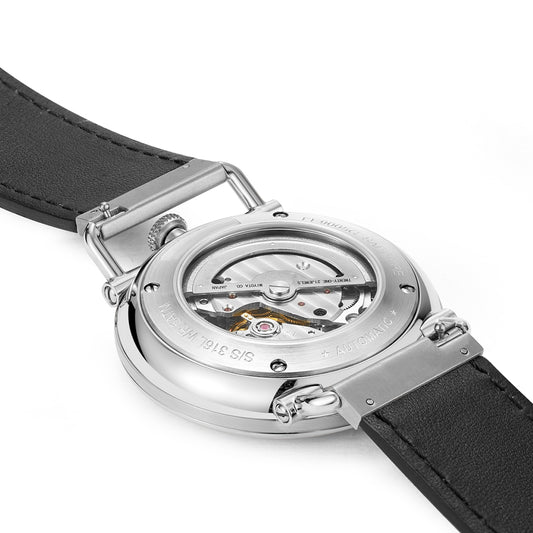
- Automatic mechanical movements
- Enhanced craftsmanship and perceived value
The right movement helps align product quality with customer expectations.
4. Invest in Packaging and Unboxing Experience
Packaging is often underestimated by new brands.
A well-designed watch box can elevate the perceived value of the entire product.
Since watches are frequently purchased as gifts, premium packaging can:
- Increase perceived value
- Strengthen brand recognition
- Improve customer satisfaction
- Create memorable unboxing experiences
- Encourage social media sharing
A customer often forms their first impression before they even touch the watch itself.
The Step-by-Step Process for Launching Your First Watch Project
Working with an experienced private label watch manufacturer can simplify the entire development process.
Step 1: Evaluate Feasibility
Share your design concepts, reference images, or ideas with the manufacturer.
Discuss your budget, customization goals, and target MOQ.
Step 2: Select a Proven Watch Case
Choose from existing case designs and confirm key materials such as:
- 304L Stainless Steel
- 316L Stainless Steel
Using existing cases dramatically reduces development costs and lead times.
Step 3: Customize Visible Components
Select:
- Dial design
- Watch hands
- Strap material
- Crown branding
- Logo placement
The manufacturer can then update technical drawings and renderings for approval.
Step 4: Prototype Development
If no new case tooling is required, prototype production can often be completed within approximately 30 days.
Photos or physical samples are then provided for review and confirmation.
Step 5: Small-Batch Production
Once the prototype is approved, flexible low-volume production can begin according to the agreed quantity.
This allows you to validate market demand before scaling.
FAQs About Low MOQ Watch Manufacturing
Q1: Can I receive free samples before placing a bulk order?
Prototype fees are typically required because they cover the engineering, customization, and production work needed to create your unique design.
However, many manufacturers will refund part or all of the sample cost once your production order reaches an agreed quantity.
Q2: How do you guarantee the quality of low MOQ orders?
Low MOQ production does not mean lower quality.
The only difference is that existing components are used instead of developing new tooling.
The manufacturing process remains the same and typically includes:
- Incoming material inspection
- Assembly quality control
- Functional testing
- Water-resistance testing
- Final inspection
- ISO-compliant quality procedures
Every watch goes through the same production standards regardless of quantity.
Q3: How is pricing calculated for modular customized watches?
The pricing structure follows the same logic as any other custom watch project.
Before providing an accurate quotation, the manufacturer must confirm:
- Watch case specification
- Dial design
- Movement type
- Strap material
- Packaging requirements
- Order quantity
Only after all specifications are confirmed can an accurate price be provided.
Q4: Why do manufacturers need the order quantity before quoting?
Quantity directly affects production costs.
Whether producing 10 watches or 1,000 watches, many preparation processes remain exactly the same:
- Material sourcing
- Engineering setup
- Production planning
- Quality control preparation
Smaller orders spread these fixed costs across fewer units, resulting in a higher per-unit price.
Larger orders improve efficiency and reduce overall manufacturing costs.
Conclusion
Launching a watch brand does not require a million-dollar budget.
The key is finding a manufacturing partner that understands startup realities and offers flexible customization solutions.
By combining proven watch components with strategic customization, entrepreneurs can create distinctive products, reduce risk, and enter the market faster.
At ZhongShi Watch, we have helped numerous DTC brands successfully launch their first collections through modular customization and low MOQ manufacturing solutions. Our team understands the challenges startups face and works closely with founders to transform ideas into market-ready products.
Ready to Build Your Watch Brand?
Download our 2026 Modular Watch Customization Catalog or request a Free Consultation & Quote from our engineering team today.
Start your watch brand with confidence—without the burden of excessive MOQs or unnecessary tooling costs.